RDArticleAug 2026
Why RDMT's wound blocks separate bullet entry from bullet exit
Every arm and leg trainer ships with separate bullet entry and bullet exit blocks. The design decision behind that, and why one wound profile is never enough.
Read →Journal
Articles we write, places we're featured, photos from trainings, and what we post on LinkedIn, Instagram, and YouTube, all in one stream.
Every arm and leg trainer ships with separate bullet entry and bullet exit blocks. The design decision behind that, and why one wound profile is never enough.
Read →One high-end station shared by a whole class means most trainees spend the hour watching. What throughput does to bleeding-control classes, and why hands-on reps are the number that matters.
TCCC skills have to be retrained on a cycle, but training budgets don't grow to match. The grant paths, purchasing terms, and equipment math that keep realistic hemorrhage-control training funded.
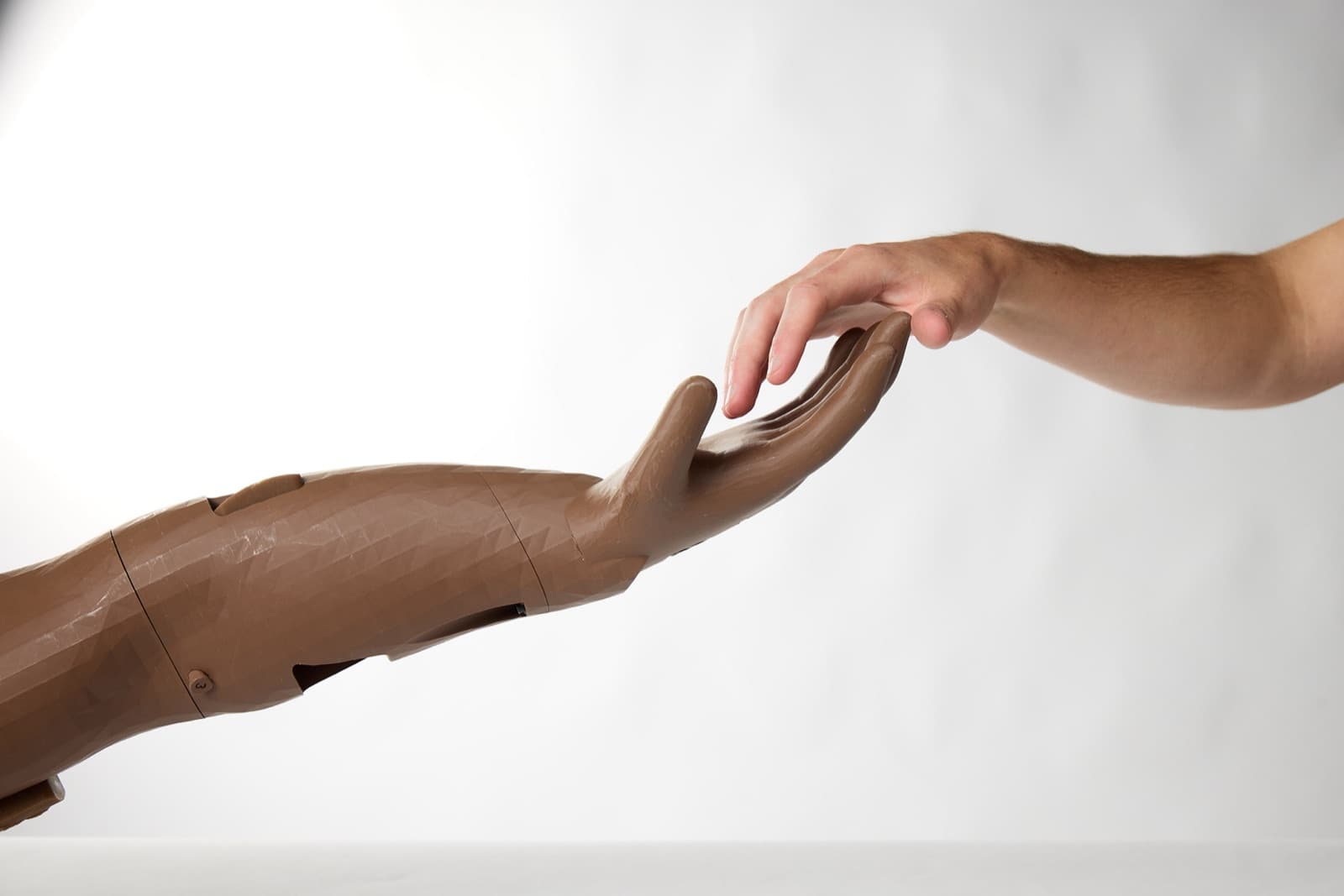
A cut artery in the arm can be fatal in two to five minutes. What that window means for training, and how two officers in Darby Borough used it.
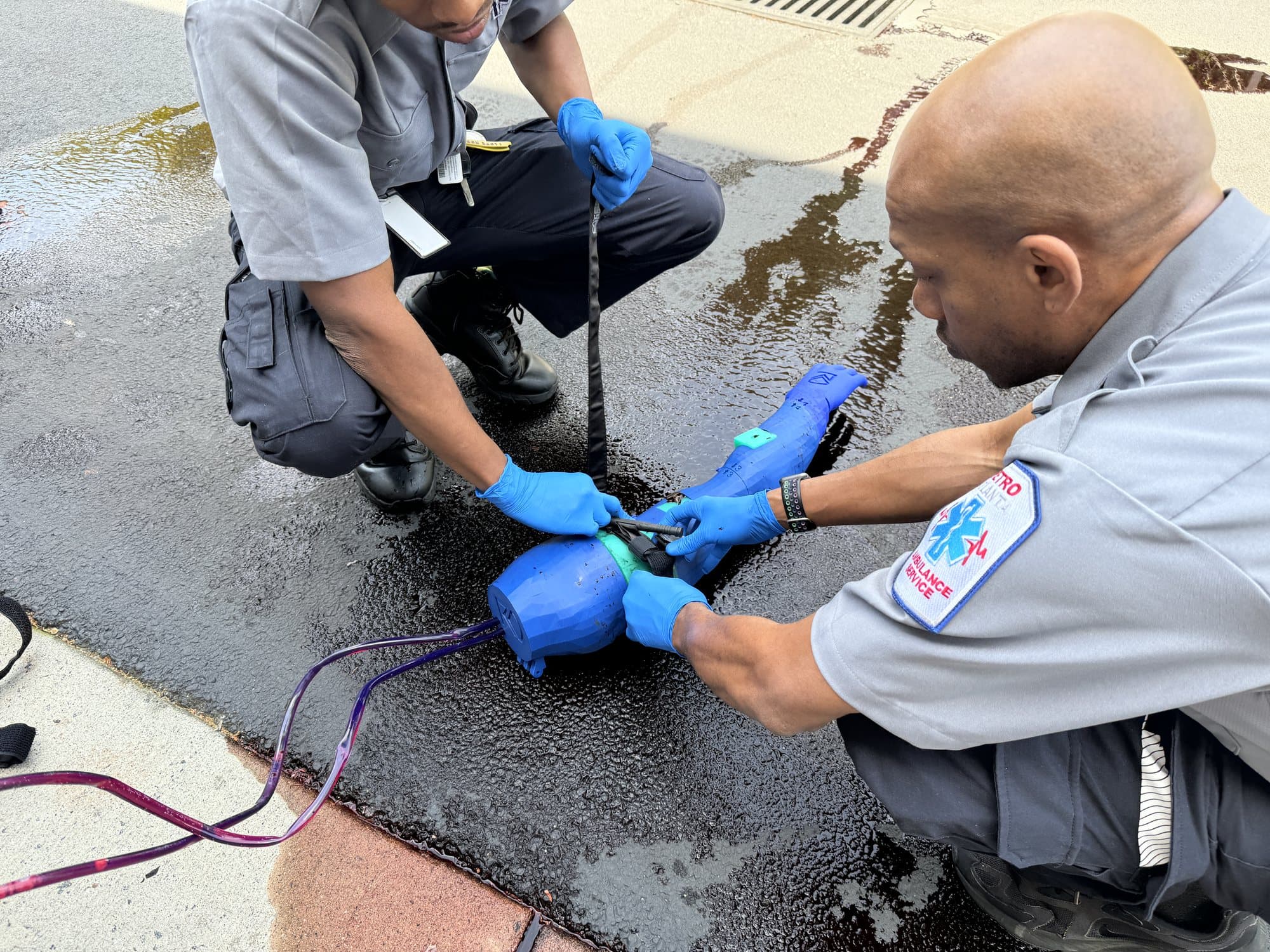
A mechanic in Antioch, lifeguards at Rockaway Beach, 600 classrooms in Gig Harbor. Bystanders are stopping bleeds. Training tools have to catch up.

Medics learn conversion; most soldiers do not. What Ukraine is showing about preventable amputations, and how a trainer that bleeds teaches the decision.
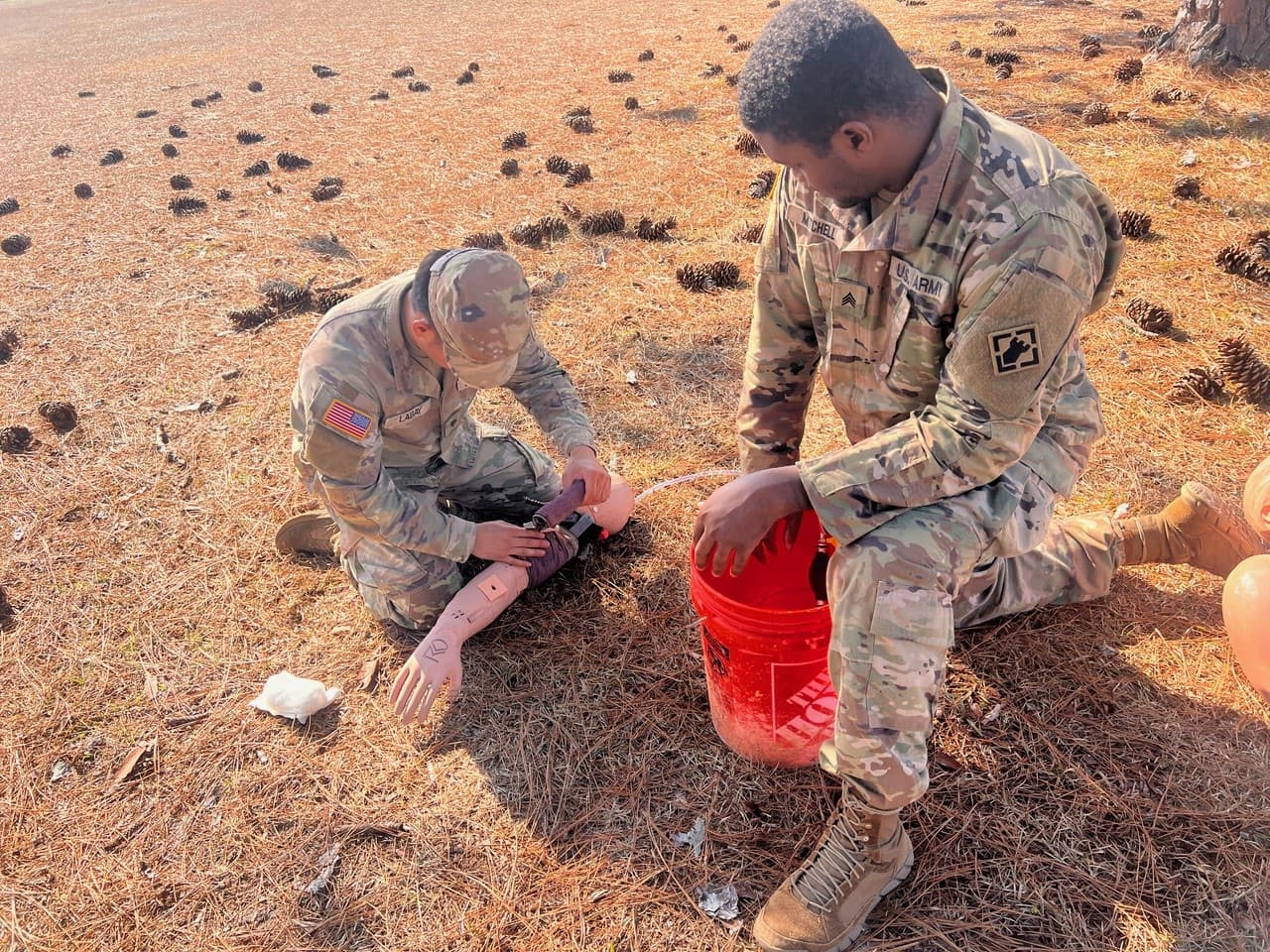
Tech Square ATL on RDMT's 3D-printed limbs, the IP handoff, and the first customers across ambulance services, fire departments, and academies.
Tech Square ATL · open original ↗

The National Security Innovation Network's short film on how the X-Force Fellowship at Fort Stewart became RDMT.
National Security Innovation Network · open original ↗
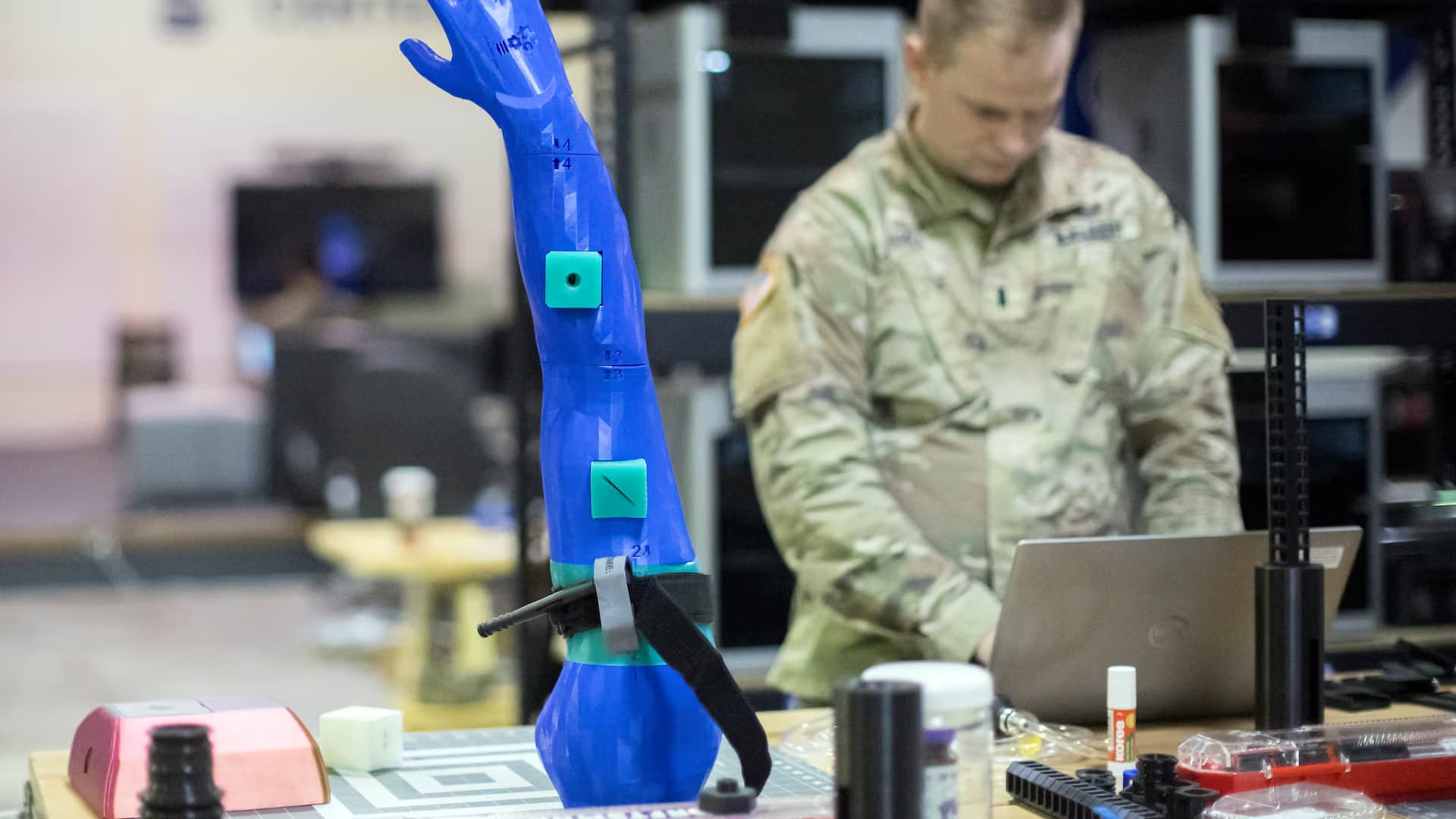
The AJC on the Fort Stewart innovation lab and the internship where the arm trainer was first built.
The Atlanta Journal-Constitution · open original ↗